Field notes on ticks, yards and homes. Read it in minutes.

Yard Defense: The Field Version

Track 02 · 5-minute read

The short version

Ticks need shade, moisture and hosts. Take those away near the house and their numbers drop. You won't make a yard tick-free. You can make the parts you actually use far safer.

Our motto: clip, clear, border. Clip the grass short. Clear leaf litter and brush. Put a dry border between lawn and woods. Most of this is free. It just takes a weekend and a habit.

The steps below follow advice from the CDC and the Tick Management Handbook by Kirby Stafford of the Connecticut Agricultural Experiment Station, a standard reference for homeowners.
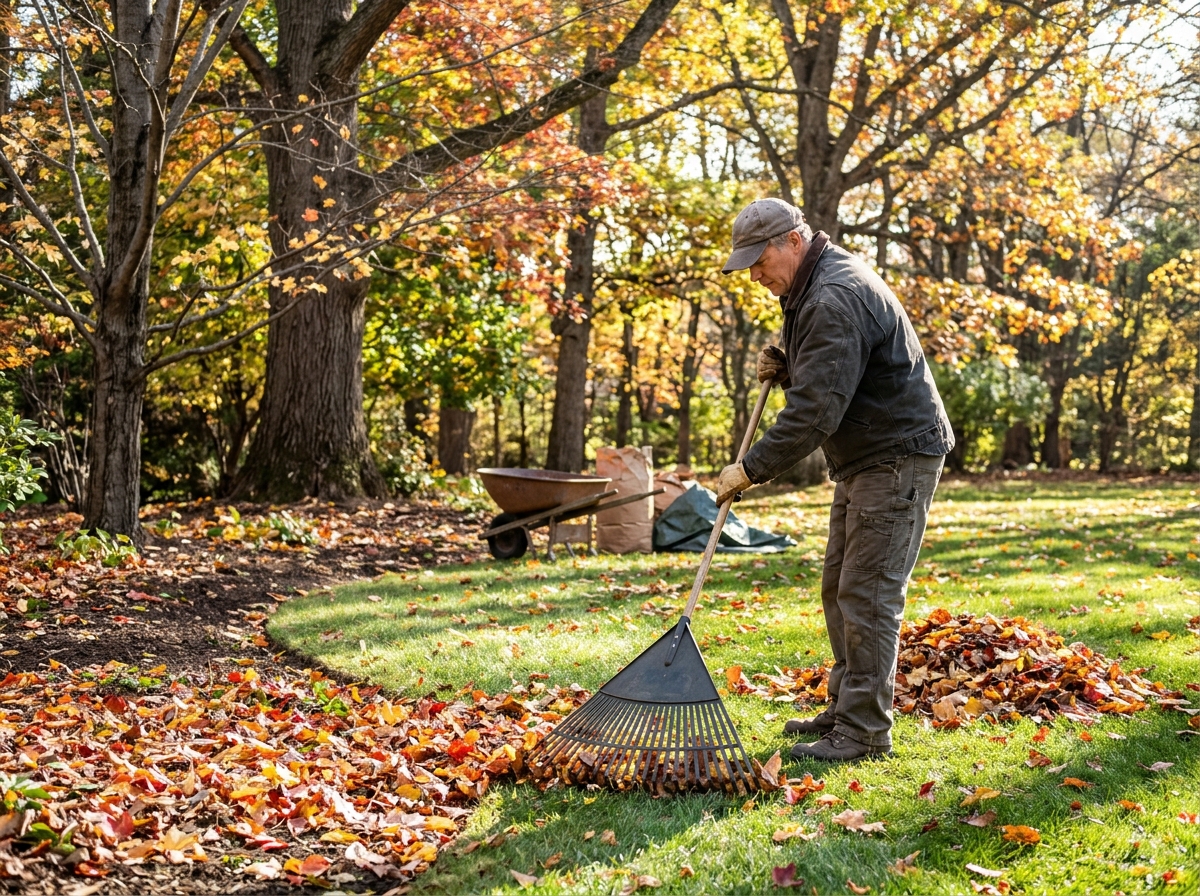

Gardener raking fallen leaves away from a lawn edge near trees on a bright autumn day

Clip

Mow often during tick season. Short grass dries out fast and ticks lose moisture there. Trim tall grass and weeds around the house, the shed, fences and paths. Cut back branches so more sun reaches the ground.

Pay attention to edges. The strip where lawn meets woods or shrubs is where most yard ticks live.

Clear

Rake leaves out of play areas and lawn edges. Leaf litter is a humid shelter for ticks and the mice that feed them. Bag it or compost it away from where people walk.

Remove old furniture, mattresses and junk piles. They shelter rodents. Fewer rodents means fewer infected ticks.

Border

The CDC recommends a barrier about three feet (roughly one metre) wide of wood chips or gravel between lawns and wooded areas. It's dry, it's hostile to questing ticks, and it reminds kids where the safe zone ends.

Keep the border clean. If leaves pile up on it, it stops working.

Family spreading wood chips along the border between a lawn and a wooded garden edge

Place things smart

Put swings, sandpits, decks and patios in sunny spots, away from yard edges and trees. Stack firewood neatly in a dry area, off the ground and away from the house. Move bird feeders away too: spilled seed draws mice and chipmunks.

Deer and rodents

Deer carry adult ticks into yards. Fencing works best where deer pressure is high. Avoid plants deer love near the house.

Rodents infect young ticks. Some homeowners use rodent-targeted tick tubes: cardboard tubes stuffed with permethrin-treated cotton that mice carry back to their nests. Results vary, so treat them as one layer, not the plan.

Chemical control: a careful note

Acaricides can reduce tick numbers in targeted zones. If you go that route, use products registered with the US EPA or approved in your country, follow the label exactly, and consider a licensed professional. Keep sprays away from water, pollinators and pets. Landscape changes come first. They work every season and cost little.

Your weekend plan

  1. Saturday morning: Mow everything, especially the edges. Trim around sheds, fences and steps.
  2. Saturday afternoon: Rake leaf litter. Clear junk piles and old wood.
  3. Sunday morning: Lay a wood-chip or gravel border along the woodland edge.
  4. Sunday afternoon: Move the play set and bird feeder into the sun. Restack firewood.
  5. Every week after: Mow, re-rake the border, and do a tick check after yard work.

Then do the same thinking for your pets' favourite spots. See pets and ticks.

Pick a Track